





The Row’s Aesthetic: Tailoring Meets Minimalist Bags
Across nearly two decades, The Row has built a design language centered on minimalism. Founded by Mary-Kate and Ashley Olsen, the label made its name through meticulous tailoring long before it became a fixture in handbag conversations. Unlike other luxury houses, the row refuses to chase trend cycles. Rather than moving quickly, the brand develops slowly, putting out pieces that feel quiet, considered, and durable rather than loud or seasonal. The row bags reflect that same philosophy, borrowing the structural discipline evident in the brand’s coats and trousers.
To understand the row fashion, one must look at tailoring first, since the bags are in effect an extension of that same construction logic. Seams are engineered to sit flush. Proportions are calculated rather than decorative. Branding is minimal, hardware embellishment is nearly absent, and tonal color stories are strongly favored. This has positioned the label as a benchmark for understated luxury shoppers who care more about fit and material than logos.
For anyone new to the brand, it helps to think of The Row as two parallel disciplines meeting in the middle: garment construction and leather goods engineering. Both departments share pattern-cutting sensibilities, and both prioritize how a piece moves with the body or hangs on the arm. This is why so many editorial pieces describe the row handbags as “wearable sculpture” rather than simple accessories.
The Design Approach Underpinning The Row’s Tailoring
Ornamentation takes a back seat to clean lines in The Row’s tailoring formula. Despite their precision, jackets achieve a lived-in drape thanks to structured shoulders and soft interior canvas. The trousers’ high waists and straight legs recall mid-century silhouettes while avoiding nostalgia. A narrow palette — ivory, black, camel, and grey — recurs season after season, collection after collection.
This restraint is deliberate. Because Mary-Kate and Ashley Olsen have spoken about designing for longevity rather than immediate gratification, pieces rarely feel dated three or four years later — a blazer purchased in 2022 still reads current in 2026, largely because the design brief never chased a specific cultural moment to begin with.
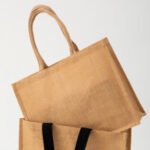
Competitor houses release six or more new bag shapes per year to keep pace with trend cycles, but The Row takes a notably different path, shaped by that same the row bags white tote bags longevity mindset: it limits handbag output to a tight rotation of silhouettes, refined incrementally rather than replaced outright, instead of releasing dozens of shapes annually.
What emerges is a build-a-wardrobe philosophy: buyers are pushed to buy one outstanding piece rather than five disposable ones. This mindset has grown into central to the label’s identity and is a major reason resale values on signature items remain strong.
The Row’s Method for Building Bags
The row bags are built using vegetable-tanned and full-grain leathers, selected deliberately for how they age. Instead of chasing a glossy, “new” finish, the label allows leather develop character over time, so that two identical bags can appear visibly different after a year of consistent use. This organic aging process is part of the appeal for shoppers who want a bag with individuality rather than uniformity.
Build methods borrow directly from tailoring departments. Bag panels are cut on pattern tables similar to those used for jackets, and a number of shapes use only two or three leather pieces total, reducing visible seams. Hardware is kept deliberately minimal — frequently a single clasp or magnetic closure — because visible branding runs counter to the label’s design ethos.
Balancing weight is another understated focus. Straps are engineered to rest well across the shoulder for prolonged wear, and internal structure is reinforced with buckram or similar stiffening materials so bags hold their shape even when only partially full. This build-quality obsession is why its handbags command top-tier price points usually falling between the low four figures to well over five figures, depending on leather type, size, and hardware finish.
Production runs are kept purposefully tight. Certain colorways sell out within weeks of release, fueling consistent conversation around row sale periods, when past-season colors or scarce leather types sometimes show up at discounted pricing through its own retail channels or authorized stockists.
Notable Row Bags to Know
For shoppers putting together a row bags overview before making a purchase, a handful of silhouettes lead the conversation. The Margaux remains the most recognized shape, prized for its relaxed, open-top profile and exaggerated proportions that photograph well both on the shoulder and in the hand. The Sofia offers a more tailored, boxier alternative for those who prefer a formal silhouette. The Soft Tote leans laid-back, built from flexible leather that molds to whatever is inside it.
Each of these is counted among the top row bags based on search volume, editorial coverage, and resale activity. The Margaux specifically has turned into something of a status symbol among fashion editors and stylists, partly since it balances carefully between minimalist and directional design.
Shoppers often wonder where to buy the row margaux bag, since availability shifts by time of year and leather colorway. The surest approach is through The Row’s own e-commerce site or its flagship stores, and next authorized luxury retailers that stock the brand’s ready-to-wear and accessories lines. As manufacturing quantities stay small, checking stock regularly during new season drops is the smartest tactic for securing a specific size or color.
The row tote bag category deserves its own mention, since tote silhouettes have become a rising focus for the brand in recent collections. These pieces balance everyday practicality with the same pared-back styling found across the rest of the handbag range, making them a accessible entry point for shoppers new to the label.
Weighing The Row’s Most Notable Bag Styles
The table below offers a straightforward comparison of the brand’s most searched styles, focusing on structure, intended purpose, and approximate cost level rather than exact figures, since cost varies by leather type and release season.
| Style | Structure | Suited To | Cost Level |
|---|---|---|---|
| Margaux | Relaxed, open-top | Daily standout piece | Upper-mid to high |
| Sofia | Structured, boxy | Workwear or dressier occasions | Top-tier |
| Tote, Soft | Yielding, relaxed | Routine outings and journeys | Moderate to fairly high |
| Crossbody in Compact Style | Petite, structured | Evening or minimal carry | Middle-range |
Such a side-by-side view is helpful because The Row rarely publishes direct comparisons on its own site, forcing buyers to piece together sizing and use-case information from listing copy and other buyers’ accounts.
Shopping Wisely: Markdowns, Secondhand Markets, and Longevity
As The Row seldom puts its core styles on sale, a genuine row sale is a notable event rather than a routine occurrence. If discounts occur, they tend to focus on older color releases or restricted-run finishes rather than popular neutral colors like black or camel, which stay in near-constant demand.
Secondhand platforms have become a alternate route for shoppers looking for better pricing on the row handbags. Carefully kept Margaux and Sofia bags routinely hold 60 to 80 percent of their original retail value on platforms dedicated to luxury resale, a strong indicator of sustained demand. Few competing brands match this retention level, largely because manufacturing quantities stay small and the aesthetic barely evolves year over year.
For newcomers to the brand, the smartest approach is focusing on versatile neutral colors in hard-wearing hide materials, since these hold value best and match most readily with existing wardrobes. Purchasing during sanctioned sale windows, when available, or through vetted secondhand marketplaces are the pair of surest methods to get hold of the label without paying full flagship pricing.
In the end, the brand’s approach to both structured design and bags is built to reward patience. Rather than chasing instant gratification, each piece is crafted to hold up over sustained use, and it’s for this reason that the label has built such a loyal customer base heading into 2026 and the years after.