






Whoa! Okay, so here’s the thing. I installed a Solana wallet extension last year just to try an NFT mint drop, and it stuck—like gum-on-your-shoe stuck. My first impression: slick UI, fast transactions, and no nonsense. But something felt off about how many people just click “accept” on every permission prompt. Seriously? That part bugs me. Over a few months I dug deeper, tested DeFi apps, moved NFTs around, and made an embarrassing mistake or two—so I have somethin’ to say about what works and what doesn’t.
Short version: phantom is the browser extension that most people mean when they say “Solana wallet” in casual chats. It manages SOL, SPL tokens, NFTs, and connects to DeFi dApps with a simple popup. But there’s nuance. I want to walk through real trade-offs, practical tips, and a couple of things I wish I’d known before my first big swap. Initially I thought wallet UX was just aesthetics, but then I realized security flows and permission prompts shape user behavior in ways that matter—big time.
First sting: ease of use. The extension model is brilliant for browser-first workflows, because you don’t have to juggle seed phrases on a separate device every time you want to sign something. On the other hand, browser extensions are an attack surface—so treat your seed phrase like it’s cash in the glovebox on a Chicago winter night: out of sight and covered. Hmm… when I first read the fine print I shrugged; later I had a moment of panic that taught me better habits.
What phantom actually does well
Fast transactions. The Solana network is built for speed and low fees, and the extension keeps you feeling that speed by minimizing friction. Medium explanation: buttons load fast, transaction statuses appear quickly, and switching accounts is painless. Longer thought: because Phantom integrates with the network at the browser level, it can present confirmations in a way that makes the UX feel native, though that also means you have to pay attention every time you sign—don’t just muscle through prompts.
Native NFT support. If you’re into collectibles, the way Phantom displays NFTs is simple and visual. You can view metadata and thumbnails without hopping between multiple tools. And the wallet’s built-in token list makes it easier to manage SPL tokens without too much manual intervention. I’m biased—I’m a sucker for tidy interfaces—but here it genuinely improves day-to-day usability.
DeFi compatibility. From lending markets to AMMs, most Solana dApps speak Phantom fluently. The connection flow—approve, sign, confirm—feels standard. On one hand this reduces cognitive load for users. Though actually, wait—let me rephrase that: standardization helps, but it can also lull people into automation where they approve too much, too often.
Where I tripped up (learn from me)
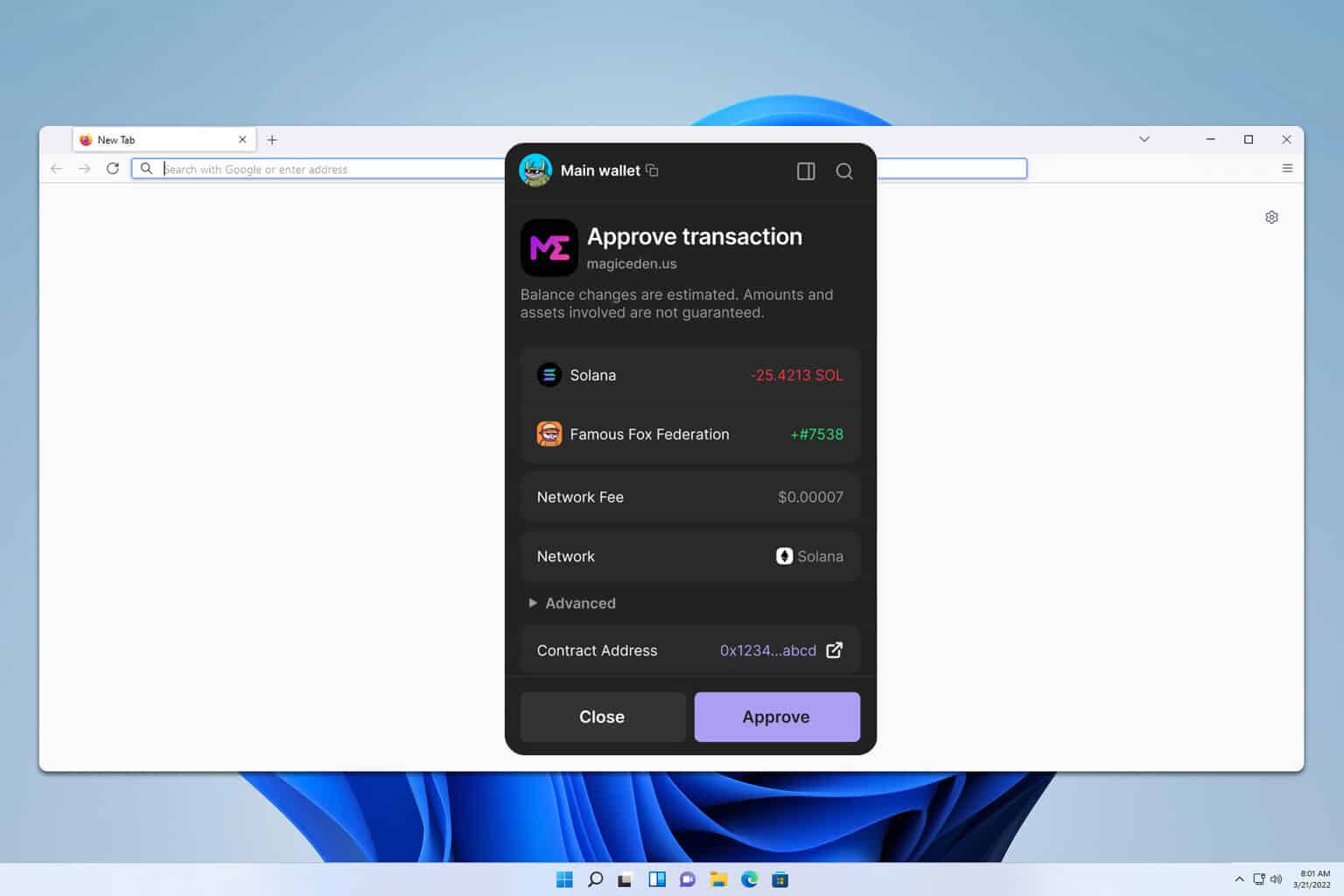
Permission fatigue is real. After a week you start clicking “Approve” like you’re accepting cookies. My instinct said “just get it done” and that led to one dumb approval that I had to reverse later—painful but instructive. There’s no magic here: read what the dApp is asking. If it wants access to transfer tokens indefinitely, that is very very important to review. Revoke approvals when you’re done. Small steps matter.
Seed phrase hygiene. I tried the classic clipboard copy move once. Bad idea. Clipboard history on some systems is grabby. I ended up moving my recovery phrase offline into a paper wallet that lives in a small envelope in a locked drawer. Not glamorous, but it works. I’m not 100% sure this is the ideal for everyone, but it’s a lot safer than a cloud note named “wallet seed”.
Account management quirks. Phantom supports multiple accounts, but if you switch often, browser profiles can help compartmentalize sessions—especially when testing new dApps. (Oh, and by the way, using a separate browser profile for experimental mints saved me from a phishing site once.)
Practical setup checklist
Short checklist for new users: back up your seed phrase offline, enable biometrics if your machine supports it, and audit dApp permissions after major interactions. Medium explanation: treat the extension like a keyed entry to your finances; it’s convenient, but that convenience is a responsibility. Longer thought: if you’re moving serious funds, consider combining Phantom for daily interactions with a hardware wallet for cold storage—balancing speed with security is the pragmatic approach.
Pro tip: Phantom’s extension occasionally prompts for optional analytics and feature flags. Opt out if you want minimal exposure. Also, get familiar with the transaction details modal—it’s where you’ll see fees, program IDs, and whether a dApp is asking to “approve” a program to spend tokens on your behalf.
When to use Phantom—and when not to
If you’re buying and trading NFTs regularly, or doing smaller DeFi interactions, Phantom is a great fit. It’s also excellent for developers who need to test integrations quickly. But if you’re storing long-term holdings or large sums, I recommend pairing it with a hardware wallet or moving most assets to cold storage. On one hand, extension convenience is addicting. On the other, browser-based wallets inherently carry different threat models than air-gapped solutions.
Here’s what bugs me about over-trusting any single interface: attackers exploit the tiny habits we build. A small tolerance for convenience becomes a vector. So be skeptical; that’s a good default. Seriously, when an approval asks for “unlimited” allowance—pause.
Okay, final note on community: the Solana ecosystem moves fast, with new marketplaces and DeFi apps appearing weekly. That speed’s exciting, and also chaotic. Join a couple of reputable Discords, follow official channels, and cross-check links before you click. My instinct said “go with your gut” when something felt off, and the gut was right more than twice.
FAQ
Q: Where should I download the Phantom extension?
A: Use official sources and browser extension stores where possible. For a direct, simple starting point you can check phantom for the extension link—just verify the page and the store listing before installing.
Q: Can Phantom hold NFTs and DeFi tokens together?
A: Yes. It handles SOL, SPL tokens, and NFTs in the same interface. That convenience means easy portfolio views, but it also means you should be vigilant about permissions and consider segregating assets if you want extra safety.
Q: Is Phantom safe to use with hardware wallets?
A: Yes, Phantom supports hardware wallet integration for added security. Use the hardware device for signing large or sensitive transactions, and keep the extension for everyday interactions if you like that workflow.