






Understanding the psychological triggers that influence casino behavior
The allure of excitement and risk
Casino environments, whether online or brick-and-mortar, are designed to evoke feelings of excitement and thrill. This is largely due to the inherent risk involved in gambling, which stimulates the brain’s reward system. The potential for winning money creates a dopamine rush, compelling players to engage repeatedly. For instance, you might have an exhilarating experience playing the Ice Fishing game South Africa, where the excitement can be further heightened by the atmosphere of a casino, filled with flashing lights and sounds that captivate the senses.
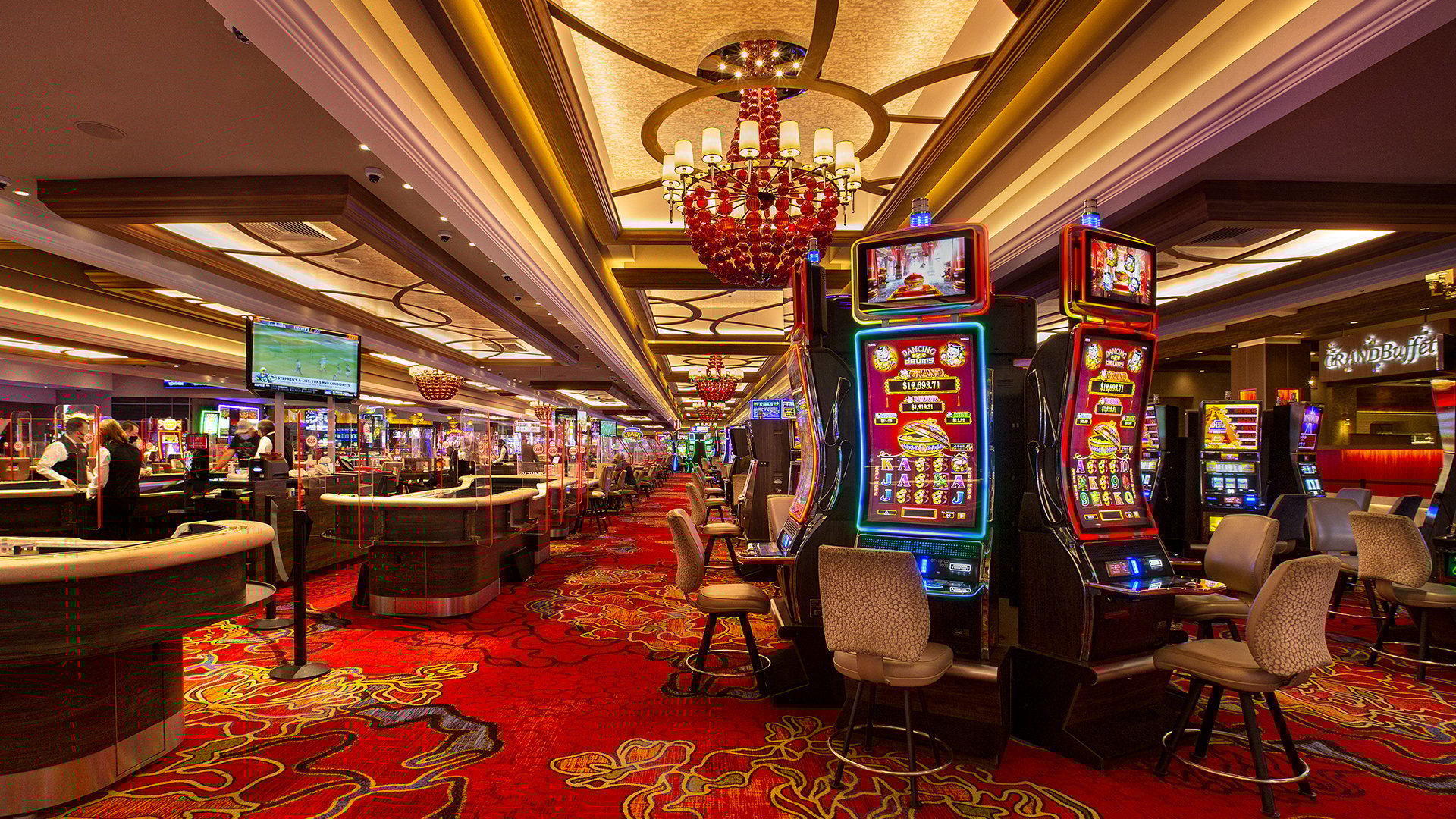
This thrill is not merely random; it is strategically cultivated by casinos. They employ psychological tactics such as the placement of games and the architecture of the gaming floor to maximize engagement. The unpredictability of game outcomes contributes to this sensation, as players are often drawn back for “just one more game,” reinforcing a cycle of behavior that can lead to extended play sessions.
The impact of social interaction
Social dynamics play a significant role in casino behavior, particularly in brick-and-mortar establishments. Engaging with other players can enhance the gaming experience, as camaraderie and competition create a sense of belonging. Live games, such as poker, rely heavily on social interaction, where players read each other’s behaviors and body language, adding another layer of strategy to the game.
On the other hand, online casinos also foster social interaction through chat features and live dealers, allowing players to connect even in a virtual setting. These interactions can amplify the enjoyment of gaming, making it less about the stakes and more about the community. This social aspect often encourages players to return, creating a habit that intertwines gaming with social engagement.
Behavioral conditioning and reinforcement
Casinos use behavioral conditioning techniques to reinforce gambling habits among players. Through a system of rewards and punishments, players often become conditioned to return to the games. Winning, even sporadically, can create a sense of expectancy that keeps players engaged longer. This unpredictability of wins—known as variable ratio reinforcement—means that players are often encouraged to play more in hopes of experiencing that next big win.
Moreover, promotional offers and bonuses are designed to tap into this conditioning. These incentives provide players with additional chances to win without the initial risk, effectively lowering barriers to entry. Over time, such strategies can lead players to develop a habitual pattern of play that may be difficult to break, as the brain starts associating the casino experience with positive reinforcement.
Emotional triggers in gambling behavior
Emotions significantly influence gambling behavior, often leading players to make decisions based on feelings rather than logic. Many individuals turn to gambling as an escape from stress or negative emotions, viewing it as a means to enhance their mood. Casinos capitalize on this by creating an environment that encourages emotional engagement—colorful visuals, upbeat music, and friendly staff contribute to a positive atmosphere that can mask the inherent risks of gambling.
Additionally, the phenomenon known as “loss aversion” plays a role in gambling behavior. Players often continue to gamble in an attempt to recover losses, driven by the fear of accepting defeat. This emotional rollercoaster can lead to irrational decision-making, where players chase losses instead of recognizing when to stop, ultimately impacting their financial well-being.

Exploring the online casino landscape
As the online casino industry expands, understanding the psychological triggers behind player behavior remains critical. Online platforms often mirror the immersive experiences found in physical casinos, using visuals, sounds, and interactive features to engage users. However, the convenience of online gambling introduces new challenges, such as the temptation to gamble excessively without the physical cues present in brick-and-mortar venues.
To navigate this landscape effectively, players are encouraged to be mindful of their motivations and emotional responses while gaming. Responsible gambling practices are essential to maintaining a healthy relationship with gaming. By recognizing psychological triggers and their influence on behavior, players can enjoy the thrill of gambling while minimizing the potential risks involved.